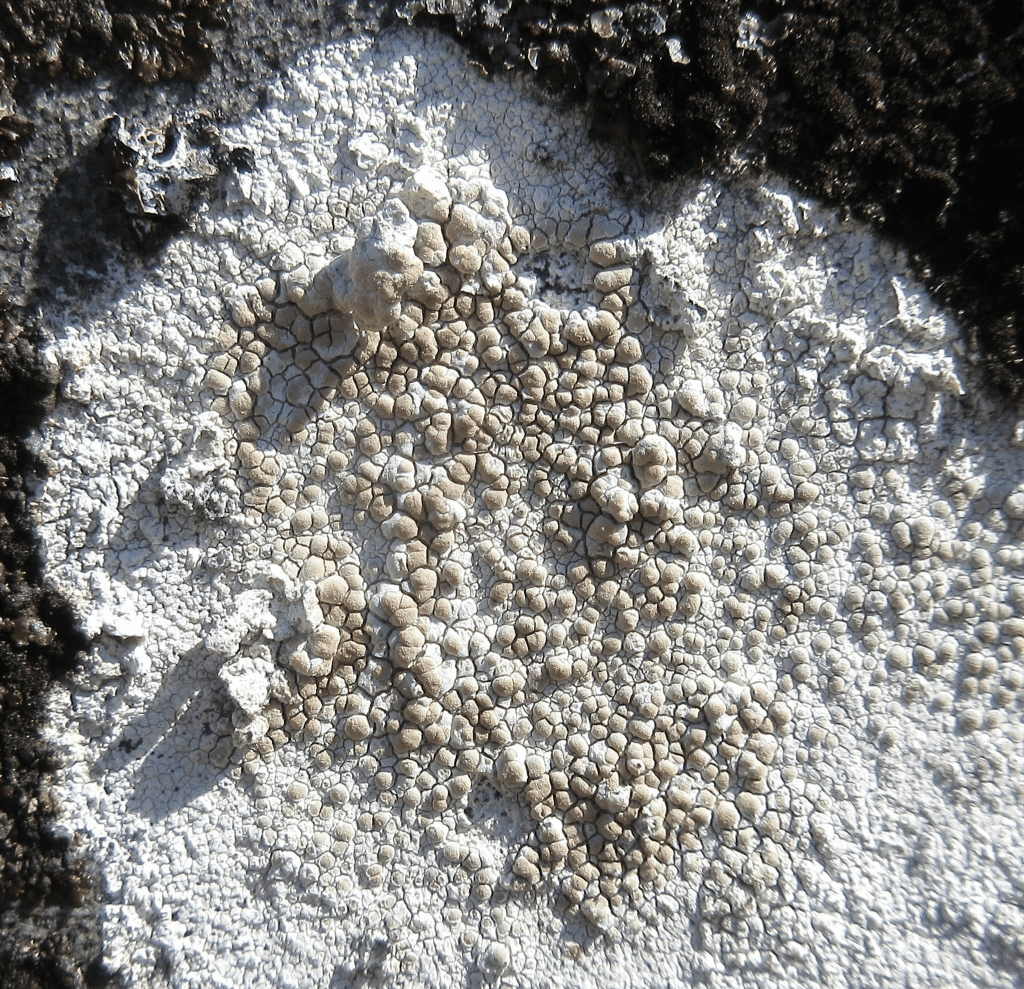
Lichens on stone monuments not only provide colour and texture, they also tell us stories about the geology of the rock, when it first became exposed and the way the structure sits in the wider environment. Stone monuments in churchyards and in the wider archaeological and heritage landscapes provide a range of structural ecological niches, each attracting different lichen communities. Through a series of guided fieldwork activities we will learn to read these lichens and the ecological stories they share. The identification of some of the more common lichen species in the field will form the starting point for a discussion of how these species have adapted to living on stone, the lichen lifecycle and the coevolution of lichens and stone. The course will be rounded off with considerations for the conservation of lichens in churchyards, on archaeological monuments and the heritage landscape in general. This course is of interest to people involved in the conservation of churchyards and the archaeological and heritage landscapes, rangers, ecologists and people otherwise interested in natural history.
Next course dates:
9 November 2026 to 25 January 2027 (sign up here)

